 9 years old Marco Calasan from Macedonia is fluent in three languages and have four Microsoft certificates, he's also written a 312-page book on Windows 7. Read more here.
More Data?
 9 years old Marco Calasan from Macedonia is fluent in three languages and have four Microsoft certificates, he's also written a 312-page book on Windows 7. Read more here.



 If it comes to pass, don't say we didn't warn you!
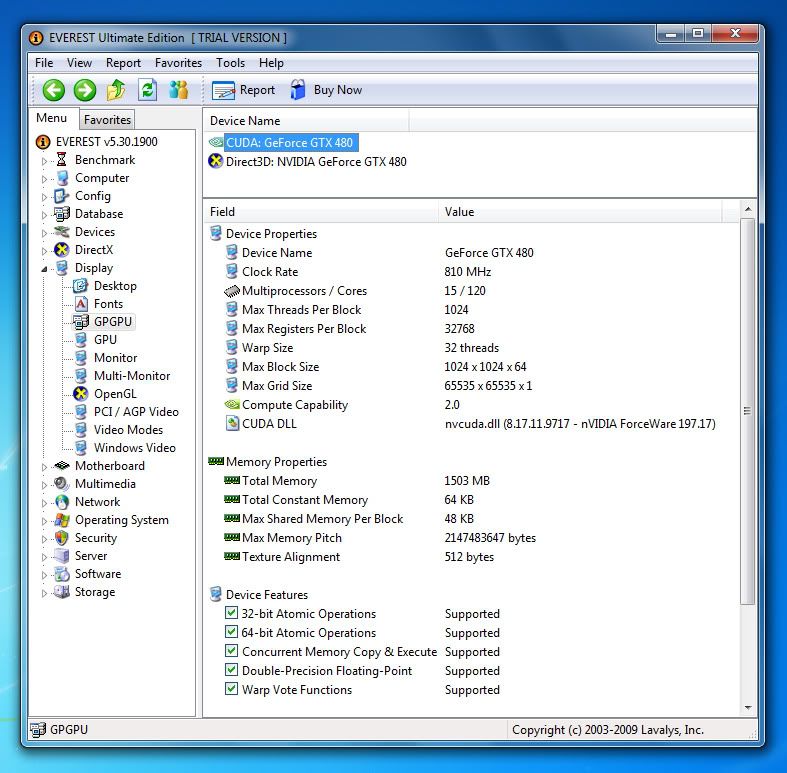 What Everest says about the new NVIDIA GeForce 400 (480), powered by the GF100 (Fermi) chip. It's a larger image so you can click on it to view the original size.
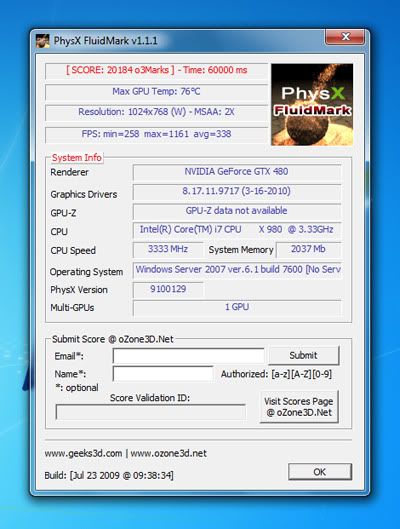
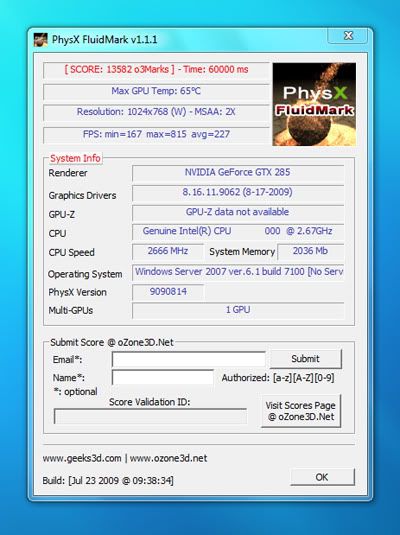 How does NVIDIA's PhysX fare with the 480? As you can see, it averages around 338FPS over the GeForce 285's 227 average. While the processor is different, since we tested the 285 at an earlier time before we had the HexaCore i7 980X, PhysX doesn't rely on the processor but the graphic card, which was the whole point in the first place to do physics calculation on the GPU to free up the processor to focus on the other demands the game is requesting to handle.
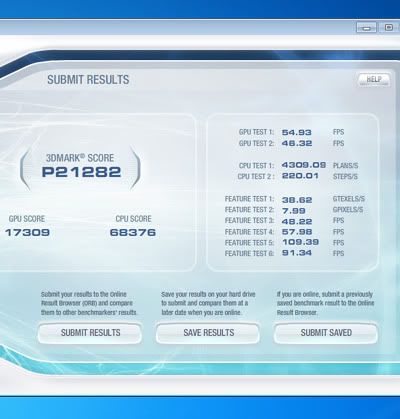 Futuremark's 3DMark Vantage, with a Performance preset, gives 20K!
 Yes you can click on it to enjoy the double-size original image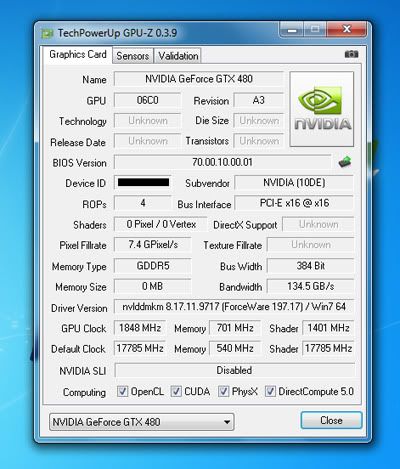
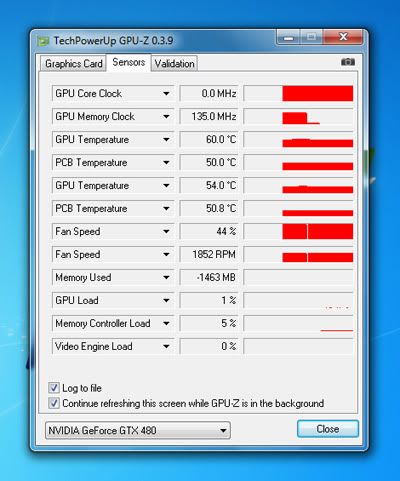

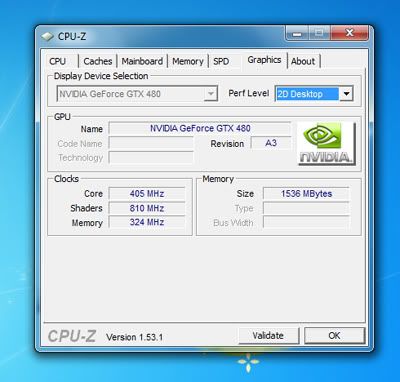
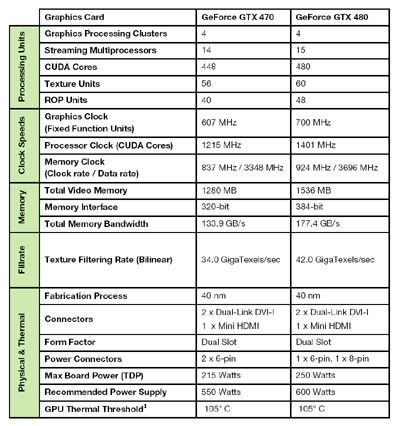 Numbers are boring aren't they? A picture speaks a thousand words so we'll throw in something new for you to whet your appetite as well - NVIDIA's OptiX Ray-Tracing technology @ work: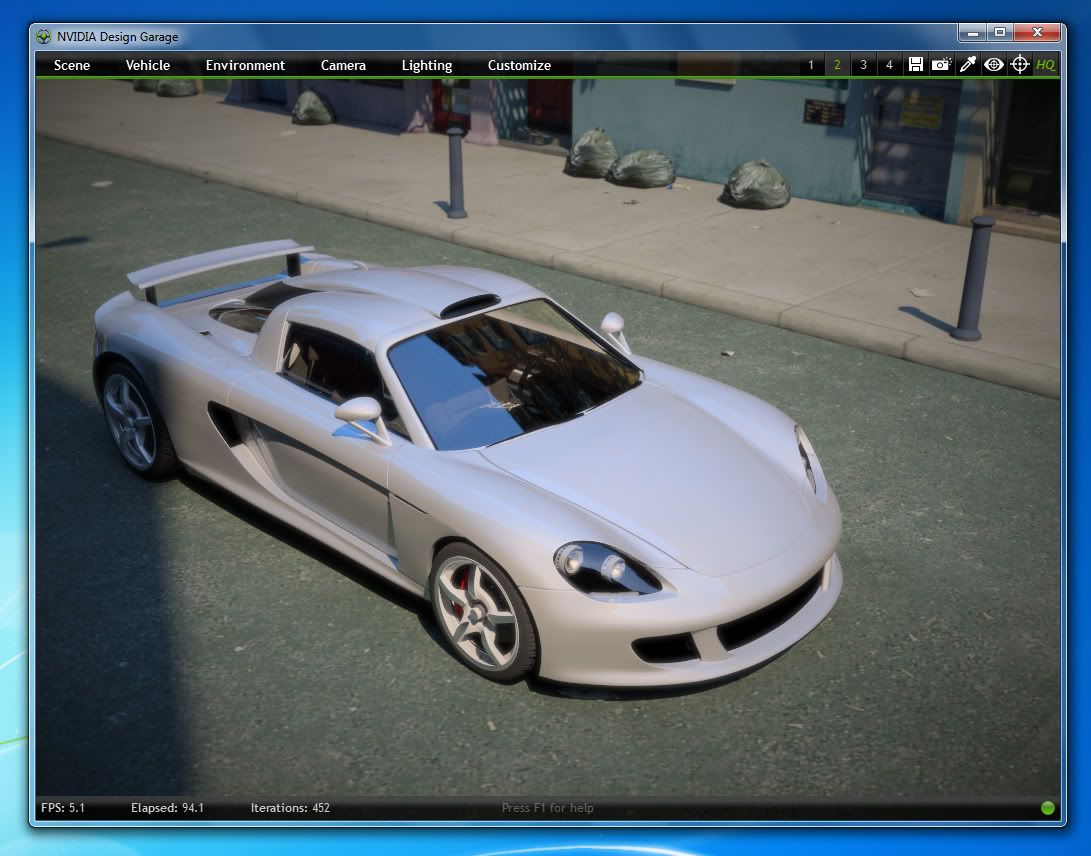
 Is NVIDIA planning to nuke its rival, AMD, for their ATI Radeon DX11 card?
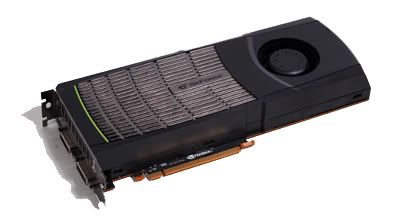 Its rival's DX11 card was black and red, NVIDIA is going for black and green, obviously
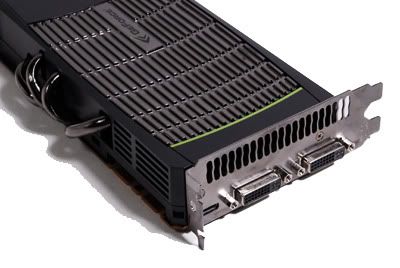 Dual-Linked DVI ports as usual, and HDMI has been dumped for DisplayPort instead. Checkout the quad heat-pipes!
 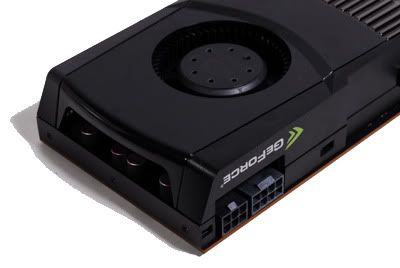 Just like it's rival, you WILL need an 8-pin power connector from your PSU, in addition of the usual 6-pin. However, the good news if your PSU doesn't have 8-pin (not for the processor via the board version), you can also make do with a dual 4-pin Molex adapter which some graphic cards bundle. As for PSU Wattage, a 500W will do - unless you're running a RAID array, etc.
 No, it isn't a photo of the ocean - it's a 3D real-time image

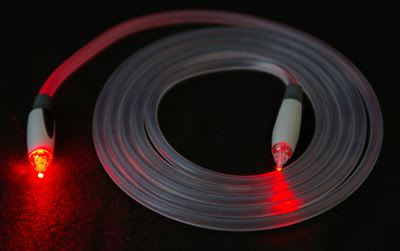
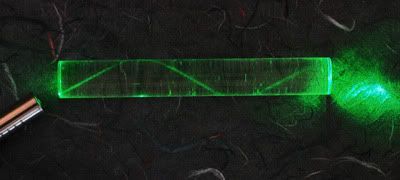 This is how data is transmitted inside optical fibre cables - via a LASER bouncing light inside


















 Posts
All Comments
Posts
All Comments